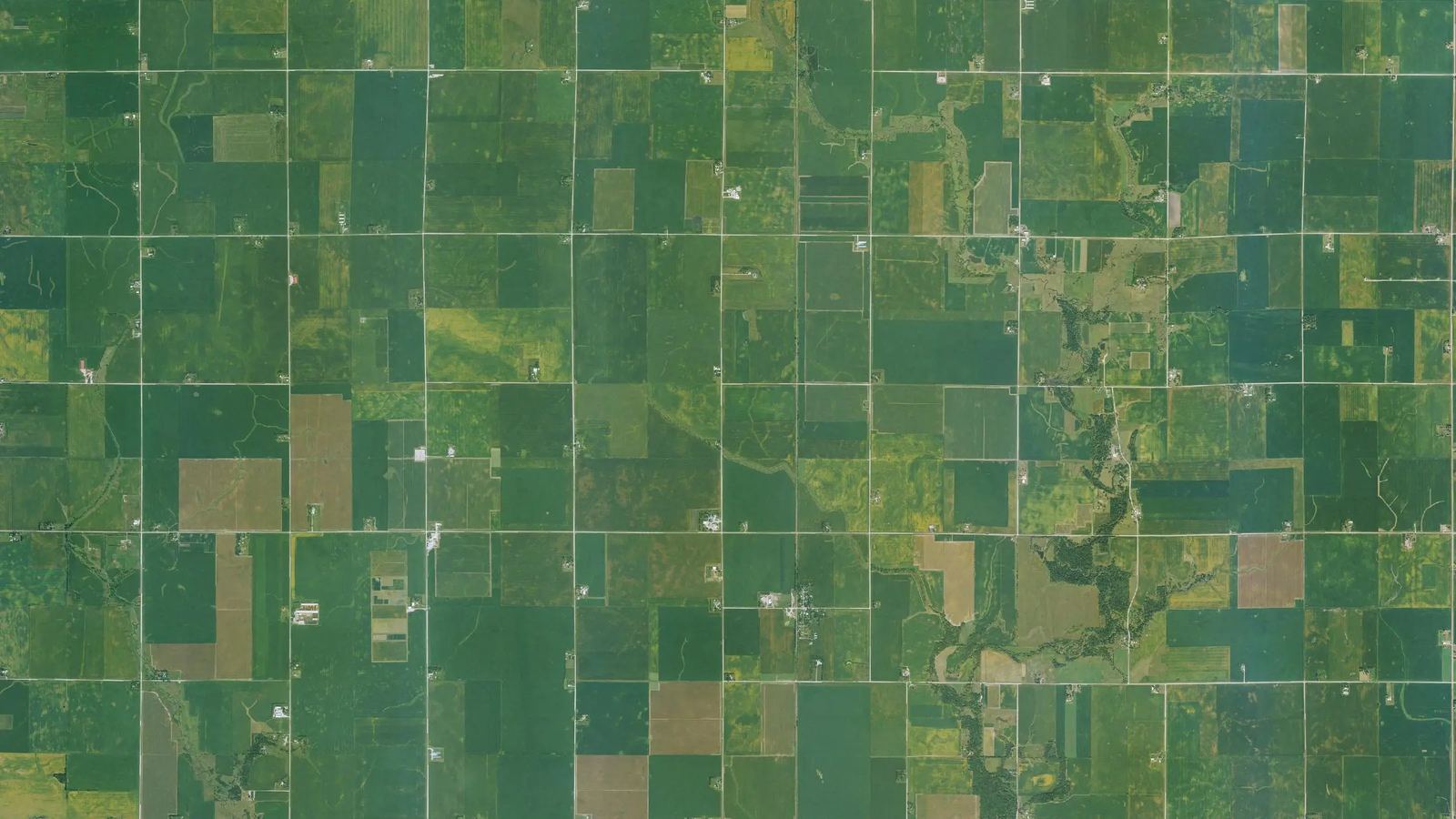
Aerial view of Iowa farmland divided into one-mile survey sections, fields in early-summer green with a creek winding across the grid
Jordan Damhof 320-212-2042

Land media · land research · Iowa

Research-driven production for Iowa land firms.

Listing media, aerial work, online-auction support, and the parcel-grade research that makes a tract’s story hold up. One person, both halves of the job.

AERIAL: USDA NAIP · STORY COUNTY, IOWA See it running

Shipped & running

I don’t just propose systems. I build them.

Two working products for the land-and-auction world, designed, built, and shipped end to end by one person. Both are live right now; open them.

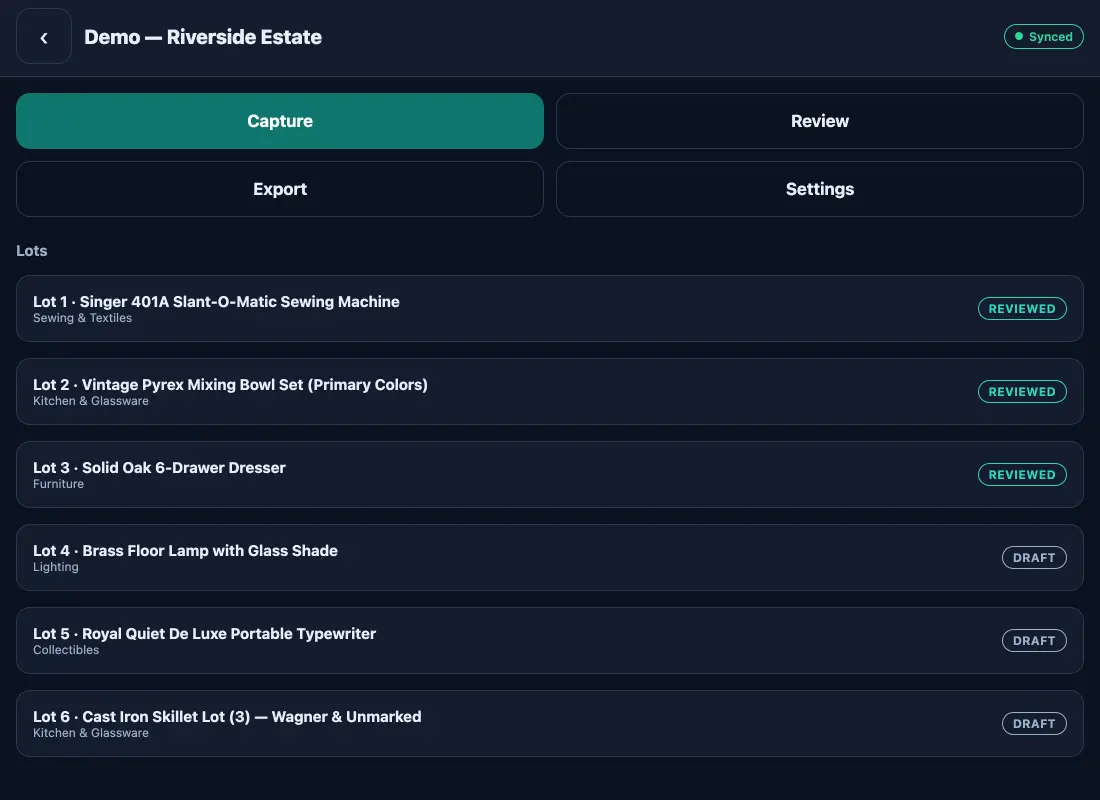
LotLens demo auction: six numbered lots with drafted listings and review states, synced

LotLens

Live web app · estate-auction cataloging

What it does
Point a phone at an auction lot: it identifies the item, drafts the listing, pulls sold-price comps with a suggested range, and files everything into a numbered, timestamped catalog, exporting clean HiBid (Auction Flex) and eBay sheets.
Status
Live as an installable web app, with a demo mode that runs without any setup. Roughly two hundred automated tests behind it.
The rule it keeps
Its values are estimates, never appraisals. That signature belongs to a certified appraiser; software should know its place.
Live pilot · statewide Iowa 1,934 public records reviewed 20 researched leads delivered into the firm’s CRM

Land Legacy Intelligence

Live pilot · estate-transition research

What it does
Follows the public record of Iowa land changing generations, the transitions behind most farmland sales. It matches that record against a firm’s own client book and delivers researched, scored, deduplicated leads into the firm’s CRM, with onboarding that configures itself.
Status
Running as a live pilot: daily statewide collection, AI-assisted matching, metrics on every scan. The codebase is public.
The rule it keeps
Public sources only, every match scored for confidence, and a person, never the software, decides whether and how a family is contacted.

The work

What I’d take off your plate

The production and research load of a land firm, carried by someone who does both: the camera work buyers see, and the records work that keeps it honest.

Listing media

Photo, video & tract maps

Clean stills, walkable video tours, and labeled boundary maps that let a buyer understand a tract before the first drive-out.

Drone & aerial

Aerial coverage, flown legally

Drone tours and mapping passes for every new tract. I’m still building my hours behind the controls, and I’ll hold the FAA Part 107 remote-pilot certificate before the first commercial flight. Practice and paperwork come before the paying work.

Online auctions

Auction-day operations

Bidder-facing media, lot pages, timed-auction setup and monitoring, and a clean results record when it closes. Documented end to end.

Research

The brief behind the listing

Parcel, owner of record, legal, assessed value, soils, crop history, aerial: pulled from the systems of record for any tract you take on.

Proof of method

A land brief I can produce for any tract in Iowa

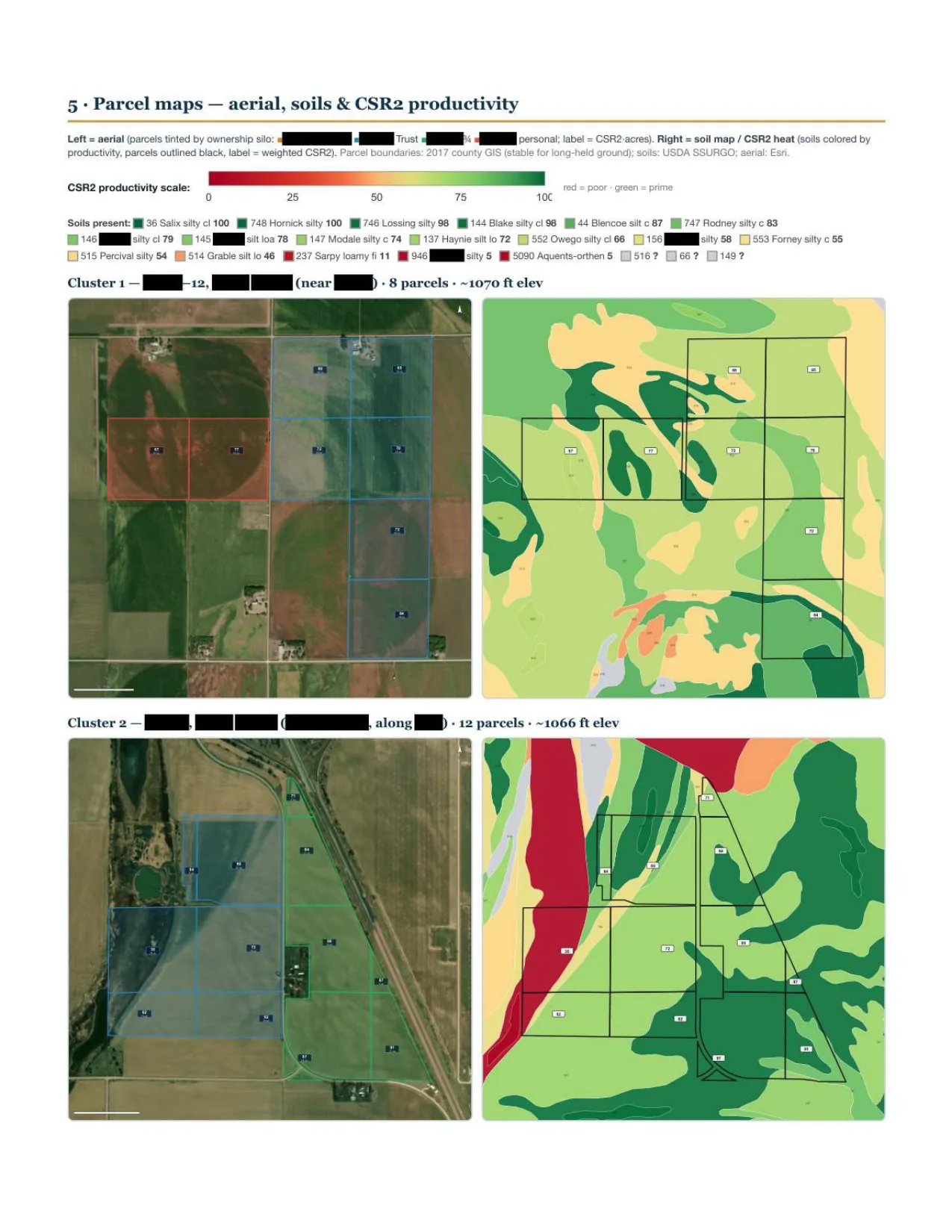
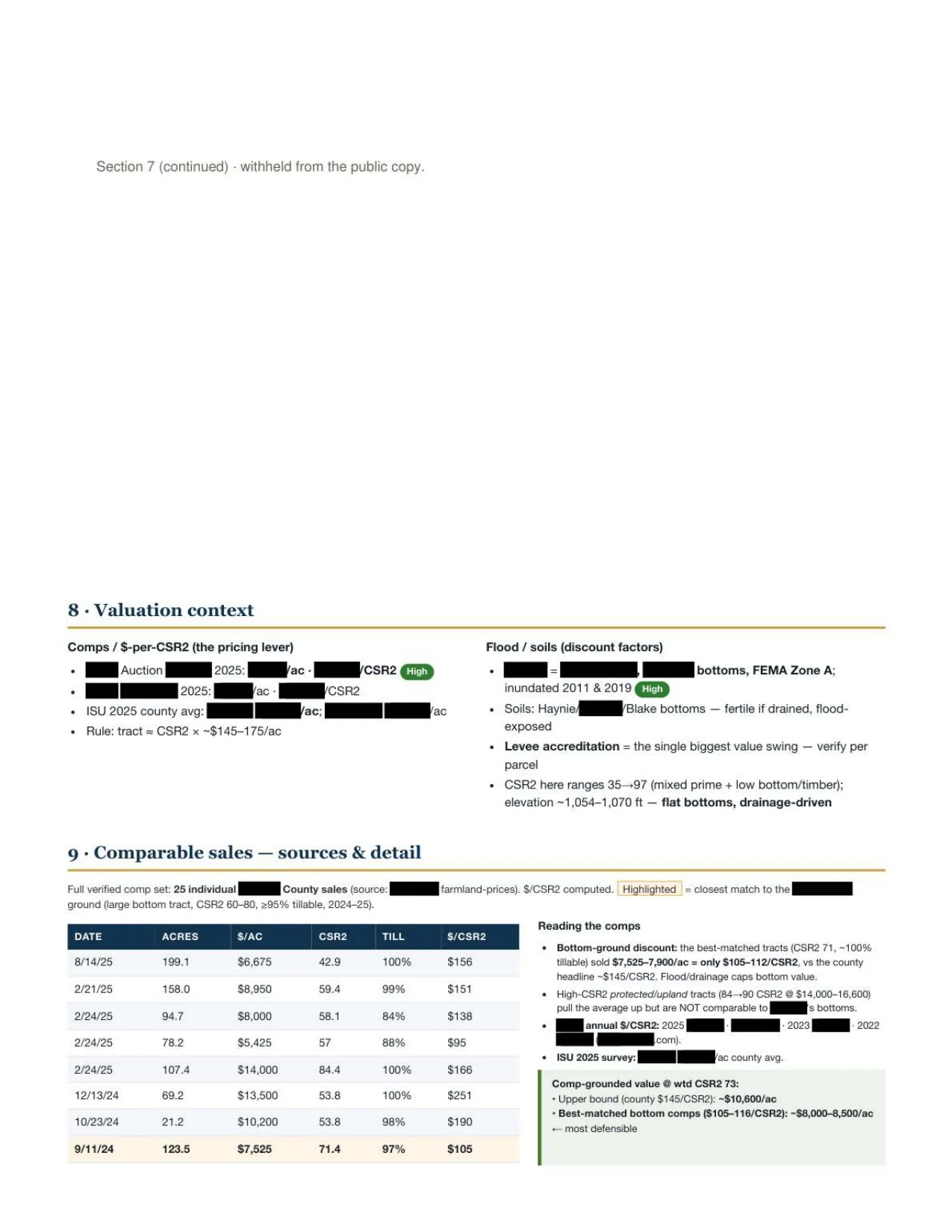
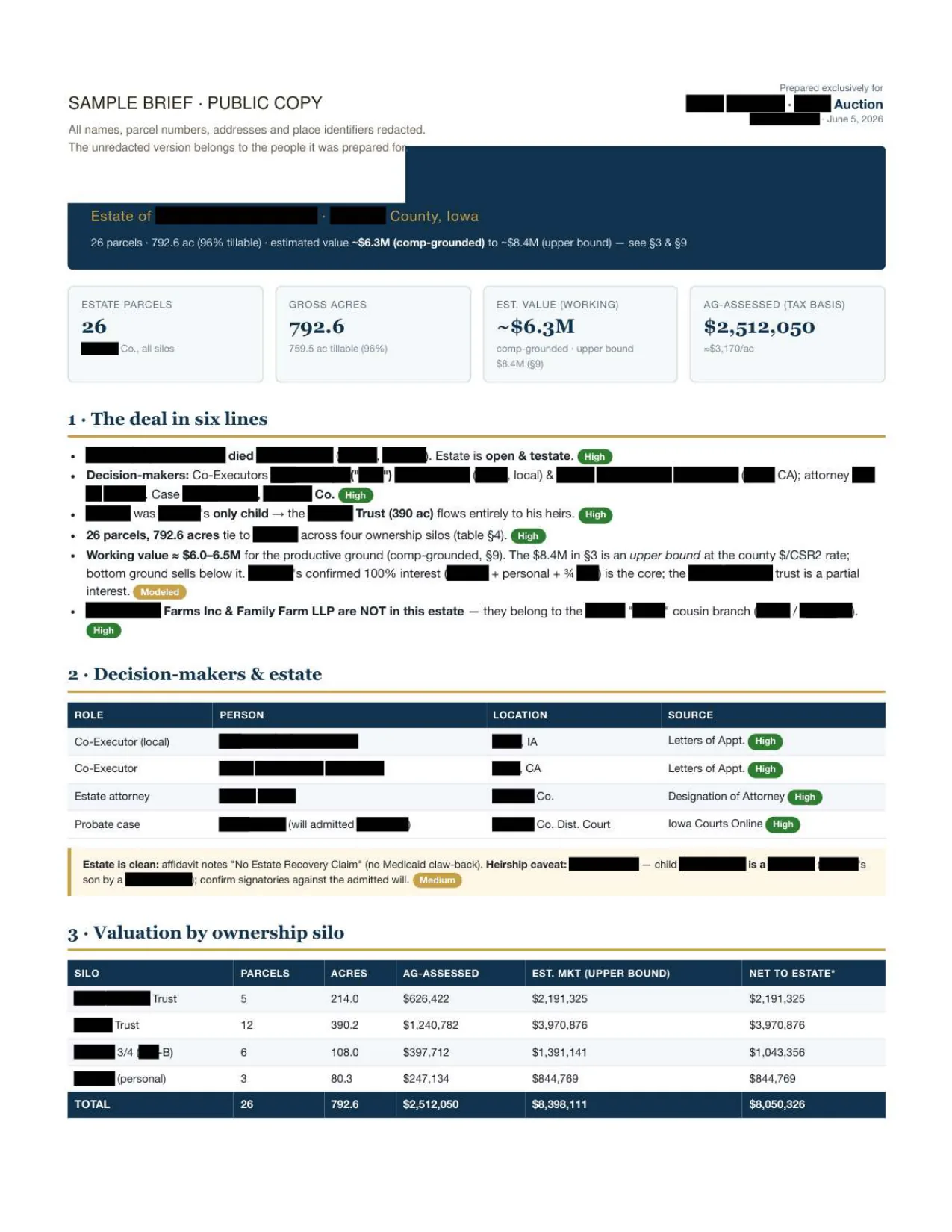
Below are pages from a real one: June 2026, a 792-acre Iowa estate, twenty-six parcels. The working copy cites a source for every line and grades each claim for confidence. This public copy keeps the method visible and blacks the people out.

Sample brief · public copy June 2026 · 792 acres · 26 parcels
6 pages · PDF · 0.9 MB Read the full brief

Every name, parcel number, address, and named place is blacked out; the heirship section is withheld. The families and firms in my files stay in my files.

Question

Before anyone lists or appraises a tract, what does the public record actually say about it, and does the story hold together?

Method

Five systems of record, queried directly: the county parcel layer (ownership, legal, assessed value), the federal soil survey (map units), the USDA Cropland Data Layer (five years of cover), public aerial imagery, and, because this was an estate, the court record. No logins, no shortcuts: records, cited, every claim graded for confidence.

Finding

Priced at the county’s headline rate per CSR2 point, this estate looks like an $8.4 million sale. Twenty-five verified sales from the same county say otherwise: the best-matched comparables (bottom ground, similar soils, similar tillable share) support a number near $6.3 million. The brief carries both, and says which one a seller can defend.

Limitation

CSR2 can’t be re-derived from the federal soil API; the authoritative number lives on the county ag-land card, so I corroborate by soil series and flag the card. The crop layer is 30-meter satellite classification; field edges blur. The brief ends with the open items I couldn’t verify from the desk: flagged, not papered over. And none of it replaces walking the ground, or your read on the people selling it.

The pipeline, for any tract

  1. Parcel & owner county GIS: legal, acres, assessed value, deed
  2. Soils NRCS soil survey: map units & series
  3. Crop history USDA Cropland Data Layer: five-year cover
  4. Aerial & boundary public imagery with the parcel drawn on
  5. Title & probate recorder & courts: deed and estate chain

Inside the six pages: ownership silos · parcel & tax tables · soils & CSR2 maps · five-year crop history · flood & levee factors · 25 verified comps reduced to $/CSR2 · the open items still to verify, flagged.

Jordan Damhof · 320-212-2042 · call or text

The market I’d serve

55% of Iowa farmland sales are estate sales. Retiring farmers bring another 22%.

2025 ISU Land Value Survey

More than three-quarters of what comes to market is a family deciding what its land should become. That market doesn’t reward reach for its own sake. It rewards trust, careful records, water left cleaner than it was found, and a firm that treats a century of ownership as something more than inventory. Those are the stories I want to help tell, at the pace they deserve.

Who’s asking

Why me, why now

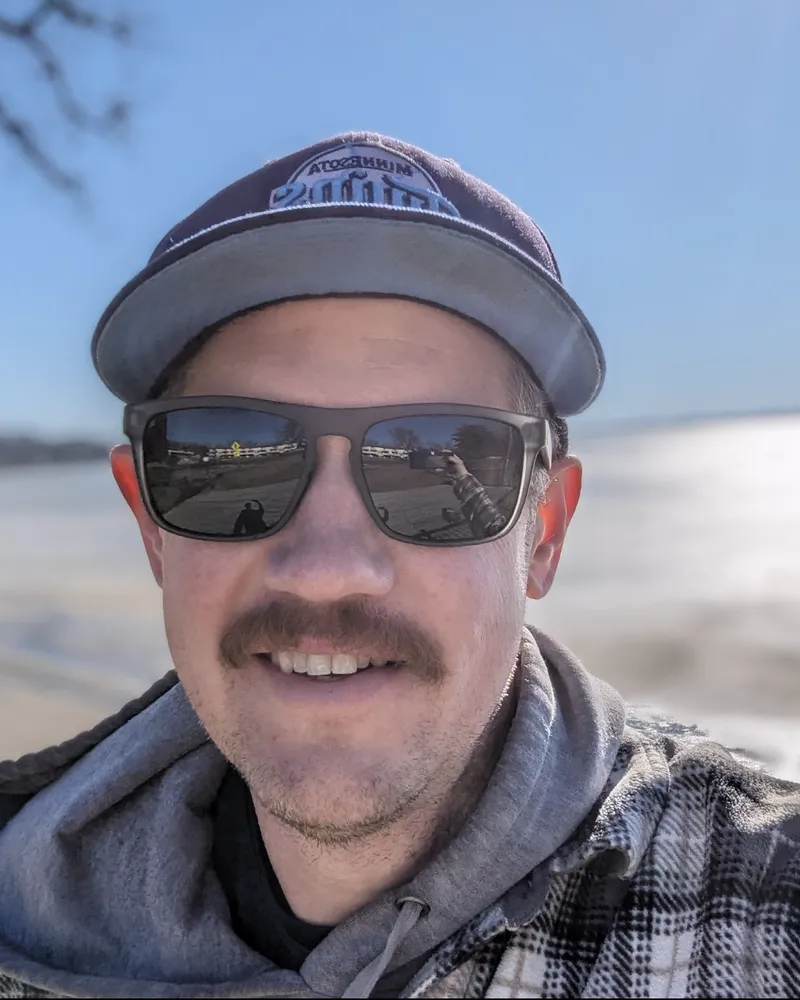
Jordan Damhof in a ball cap and sunglasses on a bright lakeside day

I’m Jordan Damhof. Before any of this, I spent seventeen years as a firefighter in Ames, retiring as a lieutenant. A firehouse teaches what no résumé line can: show up every shift, stay calm when things go sideways, take care of your crew, and do the unglamorous work right.

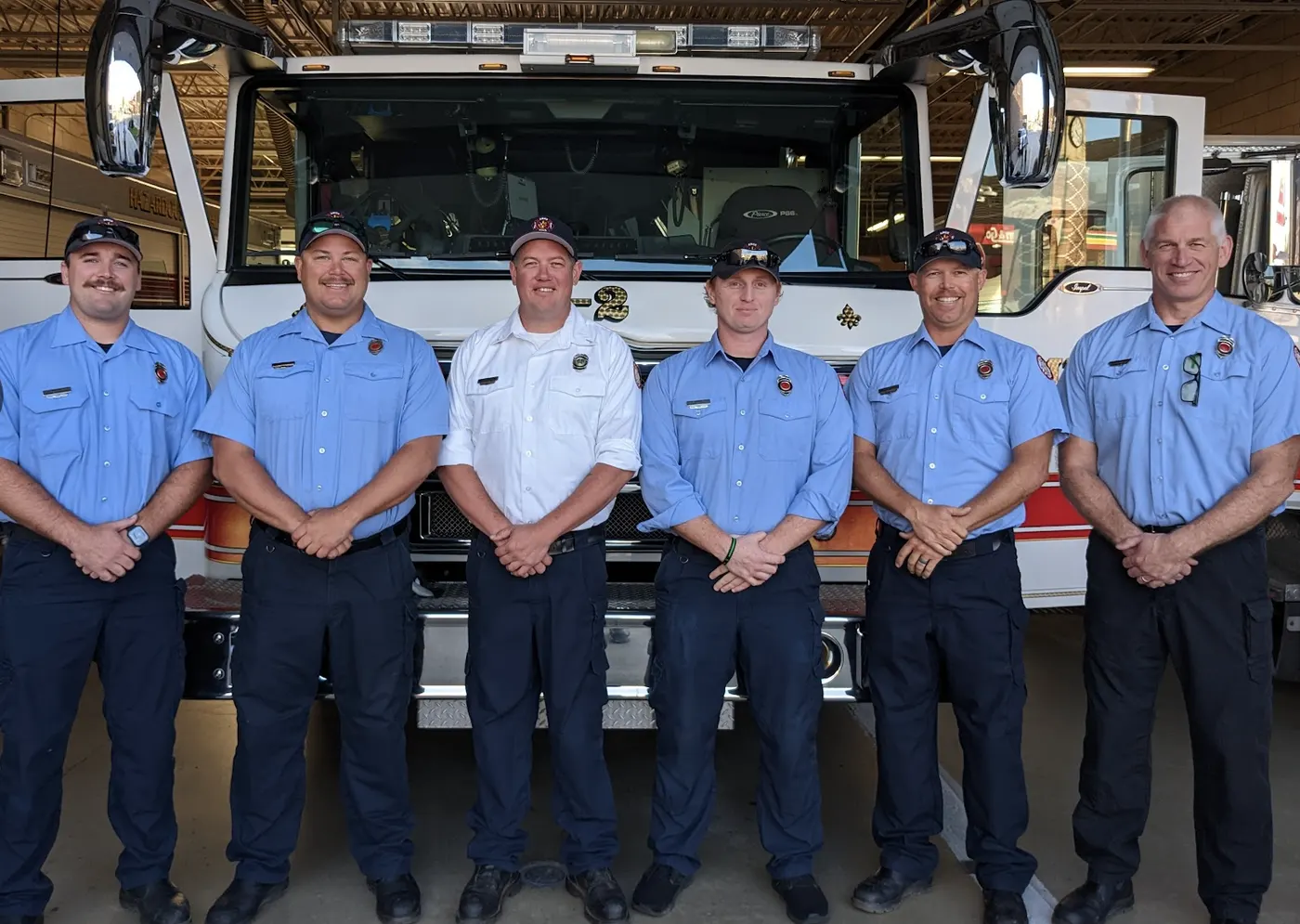
Six firefighters standing in front of a fire engine in the station bay
Seventeen years with the Ames Fire Department · retired as a lieutenant.

Since then I’ve run a small research-and-technology practice, retained by the same advisory client since 2022, doing the same kind of work this page shows: research that holds up under checking, tools that actually ship, records a stranger could pick up and use.

Now I’m looking for steady, meaningful, full-time work with an Iowa land firm: production and research, in the field and at the desk. This page is the application: the products, the land brief, and the page itself (hand-built, no framework, loads in a blink) are the portfolio.

I’m not coming to tell a veteran land professional how to run a business. I’m coming to take production and research off your plate, so you can do the part only you can do.

Get in touch

If any of this would be useful, I’d value twenty minutes.

No pitch, no follow-up sequence. A phone call to listen, and to see whether I can help.

Or make it concrete: name a tract you’ve got coming up, and I’ll bring a brief like the one above to the first call. No charge, no strings. You’ll know in twenty minutes whether the work is real.

320-212-2042
jordandamhof@gmail.com

If I miss your call, leave a message; I return them. Your pace, your terms. Starting small (one tour, one brief, one season) is a fine way to begin.